Choosing faucets is an important part of creating a kitchen or bathroom that feels cohesive, comfortable and personal. Beyond their everyday function, faucets contribute to the overall character of a space, from clean contemporary interiors to bathrooms inspired by classic European design.
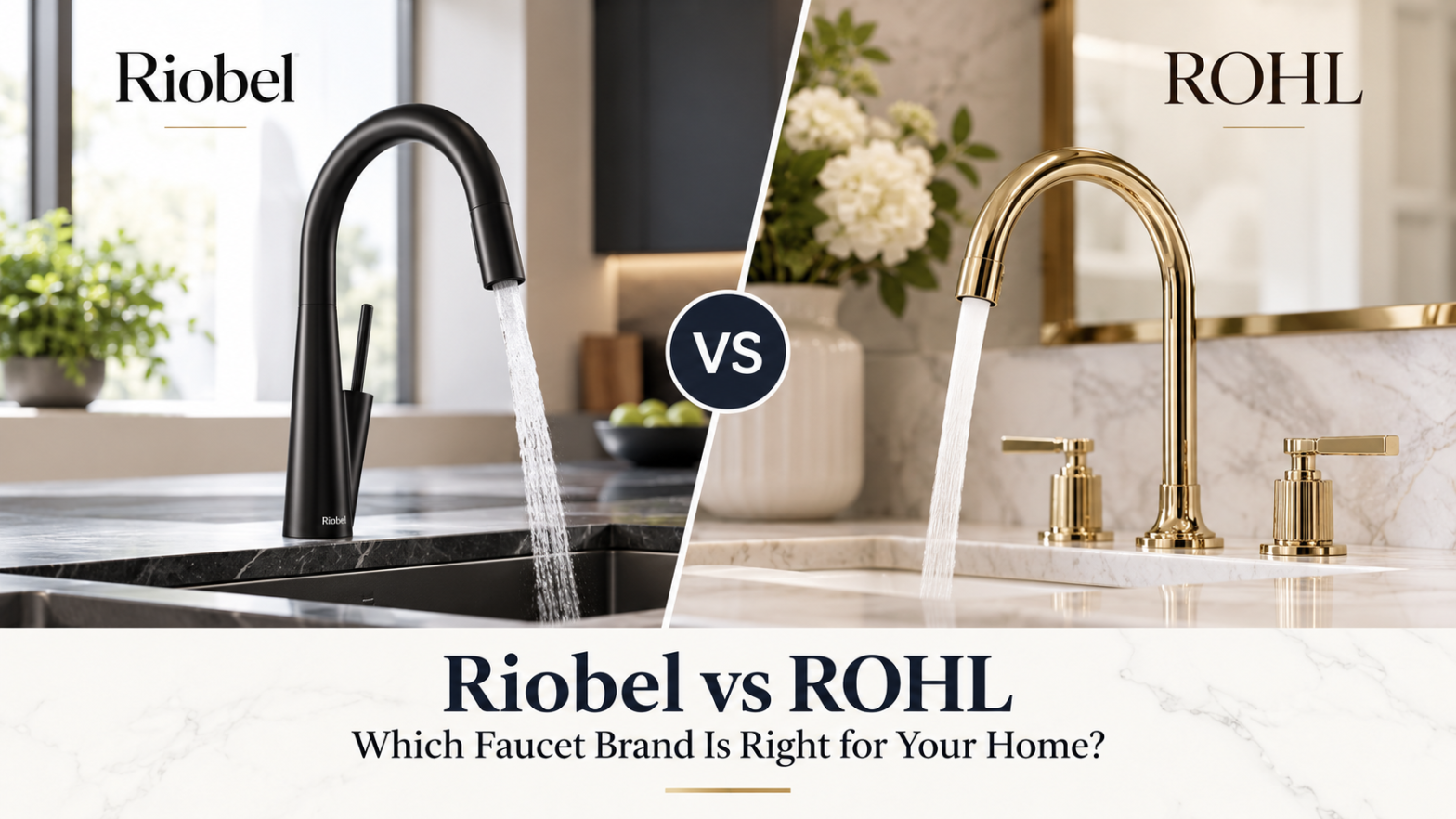
Riobel and ROHL are two distinct faucet brands within the House of Rohl portfolio. Both offer distinctive design approaches, a range of finishes and fixtures for different areas of the home. However, their collections have different aesthetic identities, making it useful to understand what sets them apart before deciding which style complements your space.
In this guide, we’ll compare Riobel vs ROHL across design, finishes, functionality and interior styles to help you make an informed decision for your home.
Riobel vs ROHL: Understanding the Two Brands
Riobel: Contemporary Design with Distinctive Character
Riobel is known for combining contemporary design with practical functionality. Its collections feature clean lines, sculptural shapes and carefully considered details that work well in modern and transitional interiors.
From minimalist silhouettes to designs with softer curves and distinctive geometric forms, Riobel offers a variety of styles for homeowners who want their fixtures to complement the architecture of their space.
The brand’s range includes kitchen faucets, bathroom faucets, shower systems and tub fillers. Different collections introduce their own visual identity, allowing homeowners to maintain a consistent design theme throughout their home or create subtle variations between rooms.
You can learn more about the brand’s design direction and collections on the Riobel brand page.
ROHL: Classic Inspiration and Refined Detailing
ROHL is recognised for its luxury-oriented approach to kitchen and bathroom fixtures, with designs inspired by European craftsmanship, traditional forms and distinctive architectural details.
Its collections include elegant curves, refined handles and classic silhouettes, alongside contemporary interpretations that suit a variety of interior styles.
ROHL is particularly appealing to homeowners who appreciate character-rich fixtures that contribute to the overall design of a room. Depending on the collection, its faucets can complement traditional interiors, transitional spaces and more contemporary settings.
The ROHL brand collection provides an overview of its distinctive design direction and product range.
Riobel vs ROHL: Key Differences at a Glance
Both brands offer options for different interior styles. The main distinction lies in their design identities and the details that define their collections.
| Design consideration | Riobel | ROHL |
|---|---|---|
| Design identity | Contemporary and transitional | Classic, European-inspired and contemporary |
| Visual details | Clean lines, sculptural forms and geometric shapes | Refined detailing, distinctive silhouettes and traditional influences |
| Interior styles | Modern, minimalist and transitional | Traditional, classic, transitional and selected contemporary styles |
| Finish selection | Varies by collection | Varies by collection |
| Kitchen applications | Modern statement faucets and versatile everyday designs | Classic-inspired and contemporary kitchen focal points |
| Bathroom applications | Coordinated faucets, shower systems and tub fillers | Distinctive bathroom faucets, shower fixtures and tub fillers |
These are broad design distinctions rather than strict rules. Individual collections can overlap in appearance, so comparing specific designs is the best way to understand which brand suits your preferred aesthetic.
Design and Aesthetics: Which Style Suits Your Home?
For Contemporary and Minimalist Interiors
Riobel is worth considering when your design vision centres on clean lines, modern proportions and understated sophistication. Its contemporary collections can complement streamlined cabinetry, simple benchtops, minimalist vanities and architectural bathroom fittings.
Geometric shapes and carefully balanced proportions can also create visual interest without overwhelming the rest of the room.
For Classic and Character-Rich Interiors
ROHL offers a strong design direction for spaces featuring traditional architectural details, natural materials and timeless finishes. Curved spouts, decorative handles and distinctive silhouettes can become defining elements within a kitchen or bathroom.
These details can work particularly well with natural stone, traditional cabinetry, warm metal accents and interiors that combine classic influences with modern functionality.
For Transitional Interiors
Transitional design brings together contemporary simplicity and traditional character. Both brands offer collections that can complement this approach.
Rather than choosing based on the brand name alone, consider the faucet’s proportions, handle design, finish and relationship with the surrounding fixtures. A well-coordinated selection can bring balance to an interior without making every element look identical.
Comparing Faucet Finishes
Finish selection plays an important role in how a kitchen or bathroom comes together. The same faucet shape can create a noticeably different effect depending on its finish and the materials around it.
Common finish considerations include:
- Chrome: Creates a bright, reflective appearance that works across many interior styles.
- Brushed finishes: Introduce a softer metallic look that can complement natural stone and textured materials.
- Brushed gold: Adds warmth and visual interest to contemporary, transitional and classic interiors.
- Matte black: Creates a defined contrast against lighter surfaces and neutral colour palettes.
- Polished nickel: Offers a refined metallic appearance that can work particularly well in sophisticated interiors.
Availability varies between Riobel and ROHL collections, so check the specifications of individual models before making a decision.
It is also worth considering how your faucet finish relates to cabinet hardware, lighting, shower fixtures and other metal accents. Coordinating these details can help create a more intentional overall design.
Kitchen Faucets: Balancing Style and Everyday Function
Kitchen faucets are used throughout the day, so their design should support both your interior preferences and your daily routine.
Consider the height of the spout, its reach across the sink, handle placement and the available spray functions. These details influence how comfortably the faucet works with your sink configuration and everyday kitchen tasks.
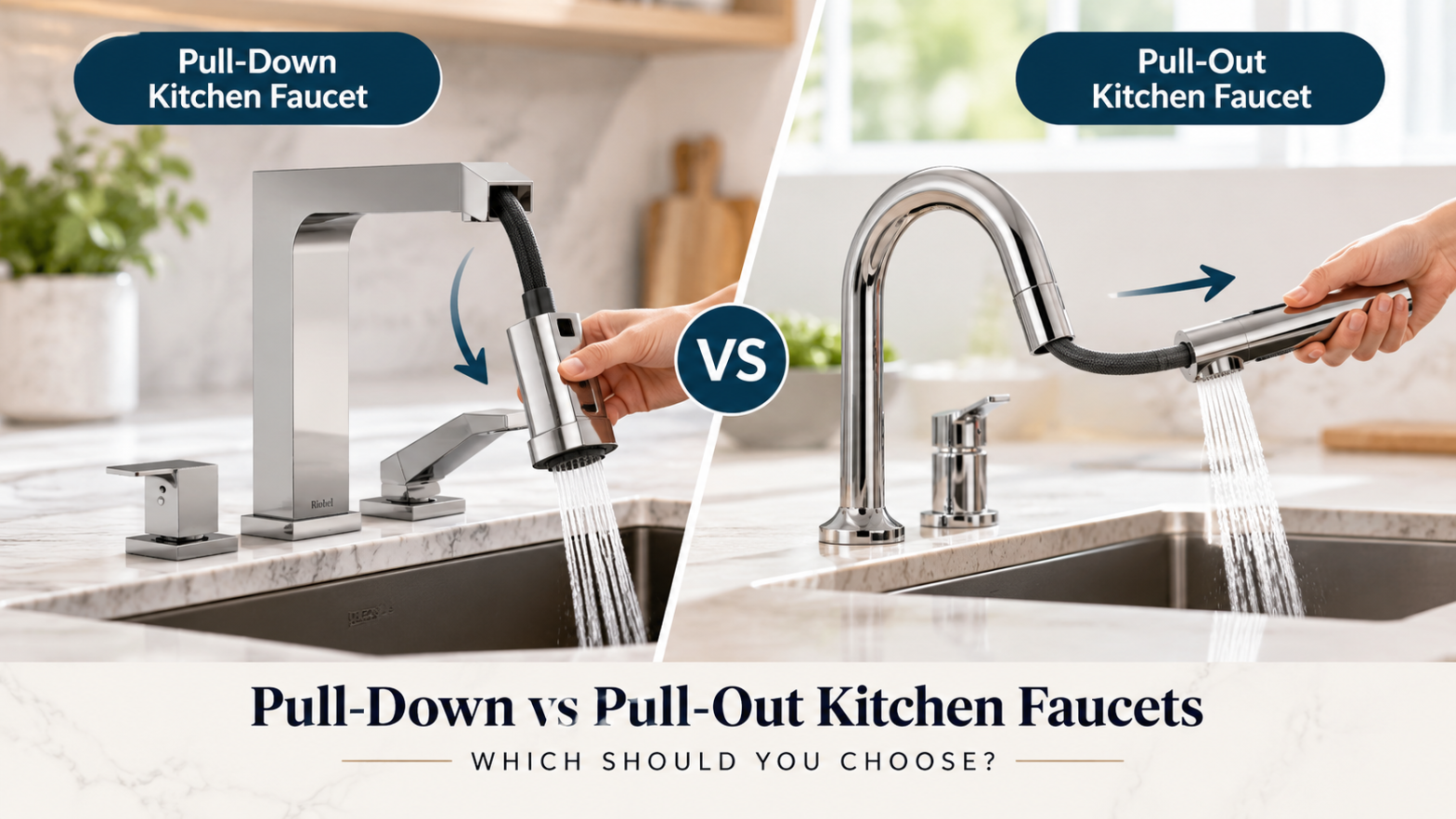
Riobel’s kitchen collections include contemporary designs with features such as retractable spray heads, while ROHL offers kitchen faucets with distinctive silhouettes and a range of design influences.
When planning your kitchen, consider how the faucet will work with your cabinetry, benchtop and sink. Reviewing different kitchen faucet styles can help you understand the range of shapes and configurations available for different layouts.
Bathroom Faucets: Creating a Consistent Design
Bathroom faucets contribute to the visual balance of the vanity, basin and surrounding fixtures. Spout height, mounting style, handle configuration and finish all influence the final appearance.
Riobel offers contemporary and transitional options, including single-hole, widespread and wall-mounted designs across its collections. ROHL also provides a variety of bathroom faucet styles, including designs with classic influences and refined detailing.
Think about the shape of your basin, the available mounting space and the overall style of your bathroom before choosing a faucet. If you are coordinating multiple fixtures, reviewing different bathroom faucet designs can help you identify styles that complement your preferred interior direction.
For a cohesive result, consider how your basin faucet relates to the shower fixtures, bathtub fittings and accessories rather than treating each component as a separate design decision.
How to Choose Between Riobel and ROHL
The right choice depends on your preferred design style, the requirements of your space and the details that matter most to you.
Before making a decision, consider these questions:
- What interior style are you creating? Contemporary and minimalist spaces may lead you towards certain Riobel collections, while classic or European-inspired interiors may draw you towards particular ROHL designs.
- Which finishes complement your materials? Compare the available finishes against your cabinetry, benchtops, tiles and hardware.
- What functionality do you need? Review spout reach, handle configuration, spray functions and mounting requirements.
- Are you coordinating multiple rooms? Consider how the selected faucets will work with your kitchen, bathroom and shower fixtures.
- What installation requirements apply? Check compatibility with your existing plumbing, basin or sink, and the installation specifications of the selected model.
If you are planning a broader renovation, coordinating your fixtures with the cabinetry, lighting, surfaces and layout early in the process can help create a more cohesive result. A design-build resource such as Beck Design Build can provide additional context when researching renovation planning and design decisions.
Final Thoughts
Riobel and ROHL offer distinct design approaches within the same broader brand portfolio. Riobel is a natural consideration for homeowners drawn to contemporary forms and clean, architectural details, while ROHL offers collections that bring together classic inspiration, refined detailing and contemporary interpretations.
Neither brand is universally better for every home. The most suitable choice depends on the collection, the style of your interior and the functionality you need from your fixtures.
By comparing individual designs, finishes and specifications, you can choose faucets that complement your home and contribute to a consistent, considered interior.