Every homeowner who has taken on a bathroom renovation knows that the small decisions add up quickly. Among them, choosing the right shower fixtures is one of the most important. A shower is more than a functional feature – it’s where most people start and end their day, so the fixtures you choose have a lasting impact on comfort, water efficiency, and the overall look of your bathroom.
Selecting the wrong shower valve, showerhead, or finish can lead to inconsistent water temperature, reduced performance, or a design that doesn’t complement the rest of the space. Correcting these issues after installation often costs far more than choosing the right fixtures from the beginning.
That’s why every bathroom remodel checklist should treat shower fixtures as a key decision rather than a final detail. The ideal shower system should combine reliable performance, everyday functionality, and a style that complements your bathroom design.
If you’re renovating the entire space, it’s also worth selecting your bathroom faucets and bathroom sinks at the same time. Coordinating these fixtures helps create a cohesive look and ensures the finishes work together throughout the bathroom.
In this guide, you’ll learn how to choose the right shower fixtures, understand the key components of a shower system, and avoid common mistakes so you can create a bathroom that’s both beautiful and built to last.
Bathroom Remodel Checklist: Plan Before You Buy
Before browsing shower heads or valves, it helps to slow down and think through the bigger picture. A bathroom remodel checklist should start with planning, not shopping, because the decisions made here shape everything that follows.
Define Your Bathroom Goals
The first question to answer is what kind of project this actually is. A full renovation that touches plumbing, layout, and finishes calls for a different approach than a simple fixture upgrade meant to refresh an existing shower without moving pipes. It also matters whether the space is a busy family bathroom that needs to hold up to daily use by multiple people, or a master ensuite meant to feel more like a private retreat. Alongside this, it is worth thinking honestly about style preferences early, since the direction chosen here, whether sleek and modern or warm and traditional, will guide every fixture decision that follows.
Set Your Budget
Plumbing fixtures deserve a dedicated line in the renovation budget rather than whatever is left over after tile and cabinetry are chosen. Shower valves, heads, and trim kits vary enormously in price, and the gap between a basic setup and a premium one can be significant. The goal is to strike a balance between upfront cost and long-term value, since a well-made fixture from a reputable brand will typically outlast a cheaper alternative by many years and avoid the added expense of early replacement or repair.
Check Existing Plumbing
Before any fixtures are purchased, it is worth having a plumber confirm what is already in the walls. Existing valve compatibility matters because not every new shower system will work with the plumbing already installed, and forcing an incompatible unit into place can lead to leaks or poor performance. Water pressure should also be tested, since some fixtures, particularly rain shower heads and multi-function systems, need a certain minimum pressure to perform as advertised. Pipe locations and any structural or renovation limitations in the walls or floor should be mapped out as well, since these details often determine what is realistically possible without opening up the bathroom further.
Bathroom Remodel Shower Fixture Guide
Once the planning stage is complete, it helps to understand the major components that make up a shower system. This bathroom remodel shower fixture guide breaks down the core pieces homeowners will need to choose between.
Shower Head Options
Fixed shower heads mount to the wall or ceiling and offer a simple, no-fuss spray pattern that works well in most bathrooms. Rain shower heads are larger, typically ceiling mounted, and deliver a gentle, wide-coverage flow that many homeowners associate with a spa-like feel. Handheld shower heads attach to a hose and slide bar, offering flexibility for rinsing, cleaning the shower, or bathing children and pets. Dual-function systems combine a fixed or rain head with a handheld unit, giving users the benefits of both without having to choose one over the other.
Shower Valves
The valve is the part of the system that controls water temperature and flow, and it is arguably the most important technical decision in the entire remodel. Pressure balance valves maintain a steady water temperature by adjusting for changes in pressure, which helps prevent sudden temperature spikes if another fixture in the house is used at the same time. Thermostatic valves take this further by allowing a precise temperature to be set and maintained regardless of pressure changes elsewhere in the home. Volume control valves let users manage water flow independently, which is especially useful in systems with multiple outlets such as a rain head and body jets running together.
Complete Shower Kits vs Individual Components
Homeowners often have to decide between assembling a shower system piece by piece or buying a complete kit designed to work as a single unit. Complete shower kits generally offer better design consistency, since the head, valve, and trim are made to match visually rather than being paired after the fact. They also tend to be easier to install, since manufacturers design the components to fit together without additional adapters, and better compatibility is built in from the start rather than left to chance. For most homeowners who are not deeply familiar with plumbing specifications, a complete kit removes a lot of the guesswork.
How to Select a Shower System
With the components understood, the next step is matching them to the specific bathroom and the people who will use it every day. Here is how to select a shower system that fits both the space and the household.
Consider Your Bathroom Size
Small bathrooms benefit from compact fixtures and simpler shower heads that do not overwhelm a limited footprint, while a walk-in shower with more open space can support larger rain heads or multiple outlets without feeling cramped. Large luxury showers, often found in bigger master suites, can accommodate multi-function systems with body jets, bench seating, and dual controls, since there is enough room and typically enough water pressure to support them.
Match Your Lifestyle
A family with young children may prioritize a handheld shower head and simple, durable controls that are easy to operate safely, while a household with older adults might look for lever-style controls and non-slip, easy-to-reach fixtures. Homeowners chasing a luxury spa experience often lean toward rain heads, thermostatic valves, and body jets, while those who simply want everyday convenience may prefer a straightforward, reliable setup that requires little thought each morning.
Choose the Right Finish
Chrome remains a classic, versatile choice that pairs well with almost any design style and is easy to keep clean. Matte black has become a popular option for a bold, modern look, especially in bathrooms with contrasting light tile or fixtures. Brushed nickel offers a softer, warmer alternative to chrome that hides water spots and fingerprints more easily, while brushed gold has emerged as a favorite for bathrooms aiming for a warmer, more elevated aesthetic.
Decide on Smart Features
Thermostatic control allows for a consistent, precise water temperature every time, which many homeowners find worth the added cost. Water-saving technology has also become a meaningful consideration, and according to the EPA’s WaterSense program, standard shower heads use roughly 2.5 gallons of water per minute while WaterSense labeled models are certified to use no more than 2.0 gallons per minute without sacrificing spray force or coverage. Multiple spray settings and body jets round out the higher end of the feature list, giving users the ability to customize their shower experience well beyond a single stream of water.
How to Upgrade Shower Fixtures Without Remodeling Everything
Not every homeowner is ready for a full renovation, and the good news is that a shower can be meaningfully improved without touching tile or plumbing behind the walls. Here is how to upgrade shower fixtures in stages, starting with the simplest changes.
Replace the Shower Head
Swapping out an old shower head is often the fastest and least expensive upgrade available, and it can be done in an afternoon without any professional help in most cases.
Upgrade the Trim Kit
The trim kit, which includes the visible handles, covers, and decorative plates around the valve, can be replaced to instantly modernize the look of a shower even when the valve behind the wall stays the same.
Install a New Thermostatic Shower Kit
For homeowners who want better temperature control without a full remodel, some thermostatic kits are designed to retrofit onto existing plumbing, offering a meaningful performance upgrade with a moderate amount of work.
Refresh the Bathroom with Matching Fixtures
Coordinating the shower with the rest of the bathroom’s hardware ties the whole space together. This includes matching finishes across faucets, accessories, towel bars, and other hardware, so the shower does not feel like an isolated update sitting apart from everything else in the room.
Common Shower Fixture Mistakes to Avoid
Avoiding these common mistakes can help you choose shower fixtures that look great, perform reliably, and stand the test of time.
Prioritising Style Over Performance
Modern shower fixtures come in a wide range of designs, but appearance shouldn’t be the only factor. Choose fixtures that offer the right spray pattern, water flow, and functionality for your daily needs as well as your bathroom style.
Overlooking Water Pressure
Not every showerhead performs the same under different water pressure conditions. Before selecting a rain shower or multi-function showerhead, make sure it’s compatible with your home’s plumbing system to achieve the best performance.
Choosing Incompatible Shower Components
Shower valves, trims, and showerheads need to work together. Selecting incompatible components can lead to installation challenges, additional costs, or reduced functionality. Always confirm compatibility before purchasing.
Ignoring Long-Term Maintenance
Some shower fixtures are easier to clean and maintain than others. Choosing durable materials and high-quality finishes can help minimise maintenance and keep your shower looking its best for years to come.
Mixing Finishes Without a Plan
Using multiple finishes without a clear design direction can make a bathroom feel inconsistent. Coordinating finishes across your shower fixtures, bathroom faucets, cabinet hardware, and accessories creates a more cohesive and polished look.
Focusing Only on the Lowest Price
Quality shower fixtures are a long-term investment. Products made from premium materials typically offer better durability, smoother operation, and lasting performance, helping reduce the likelihood of repairs or early replacement.
Shower Fixture Trends for Modern Bathrooms
Looking for inspiration? These shower fixture trends continue to shape modern bathroom designs while balancing style, comfort, and everyday functionality.
Rain Showerheads
Rain showerheads remain a popular choice for homeowners wanting a luxurious, spa-inspired shower experience. Their wide spray pattern creates a relaxing feel and complements both contemporary and minimalist bathrooms.
Matte Black Finishes
Matte black shower fixtures continue to be a leading trend thanks to their bold, modern appearance. They pair well with neutral colour palettes, natural stone, and timber accents for a sophisticated finish.
Brushed Gold Fixtures
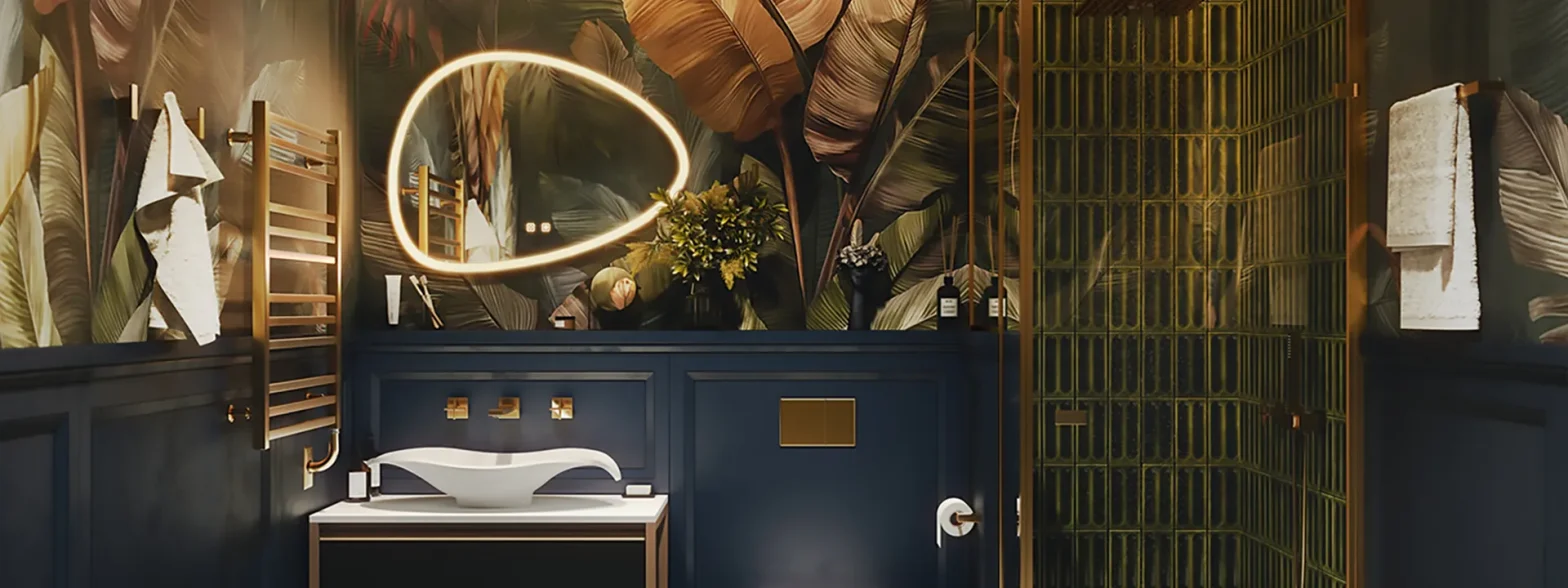
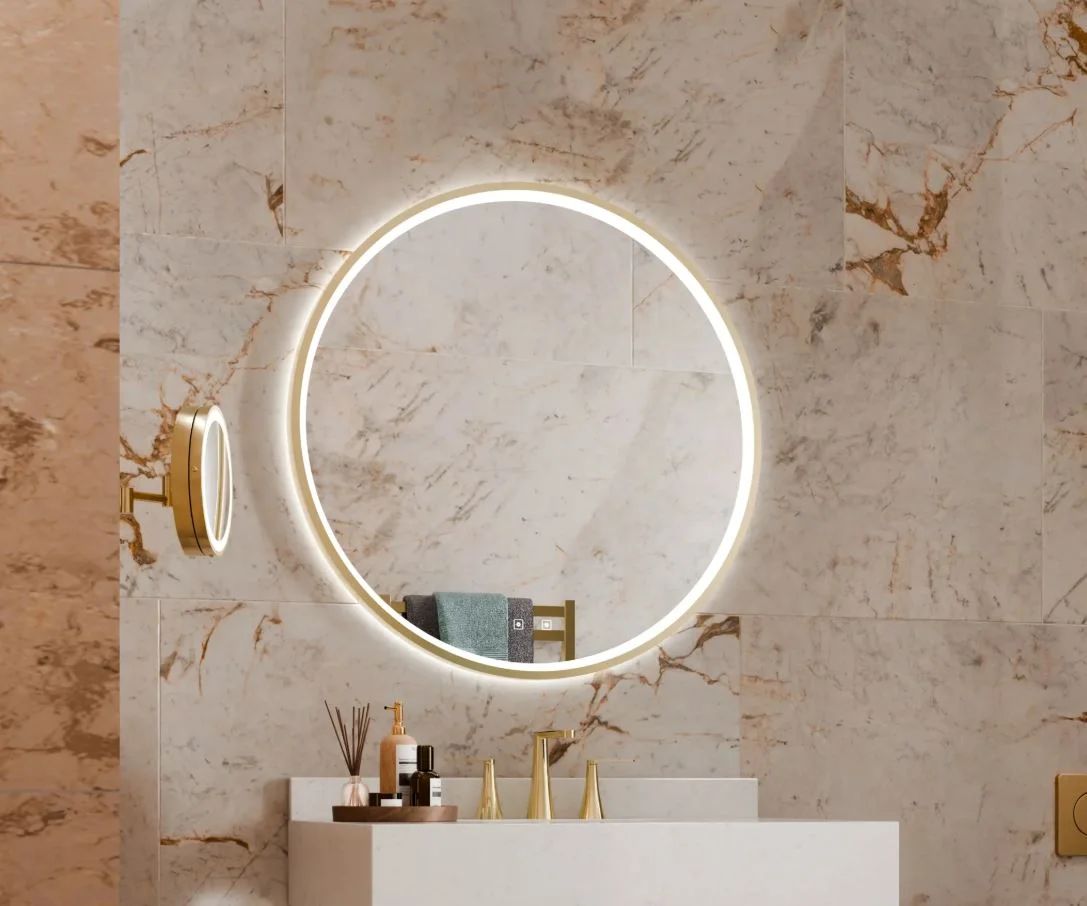
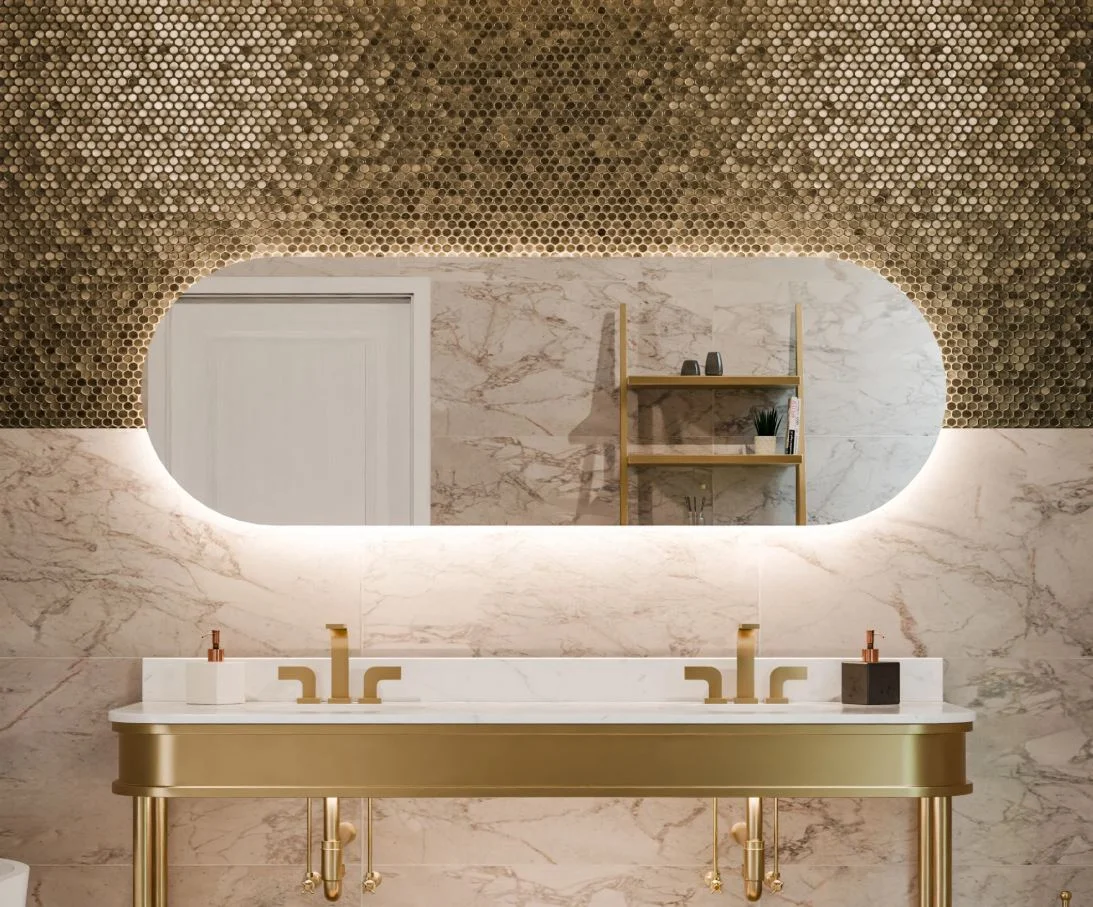
Brushed gold has become a popular alternative to chrome and stainless steel, adding warmth and elegance to modern bathroom designs. It works particularly well in contemporary, transitional, and luxury interiors.
Minimalist Shower Designs
Clean lines, concealed components, and uncluttered layouts remain key features of modern bathrooms. Minimalist shower fixtures create a timeless look while helping the space feel larger and more refined.
Integrated Handheld Shower Systems
Many homeowners are choosing shower systems that combine a fixed showerhead with an integrated handheld shower. This combination offers greater flexibility for everyday use while maintaining a cohesive design.
Thermostatic Shower Systems
Thermostatic shower valves continue to grow in popularity because they maintain a consistent water temperature throughout your shower. They enhance comfort while providing added convenience for busy households.
Water-Efficient Shower Fixtures
Water-efficient shower fixtures remain an important choice for homeowners looking to reduce water consumption without compromising performance. Many modern designs deliver an enjoyable shower experience while supporting sustainable living.